When access issues delay gardeners in Plumstead what to expect
If you have ever booked garden work and then realised the side gate is locked, the driveway is blocked, or the only route to the back garden is through a neighbour's passage, you will already know how quickly a simple visit can turn into a delay. When access issues delay gardeners in Plumstead what to expect is usually less dramatic than people fear, but it does affect timings, costs, and what can realistically be completed on the day.
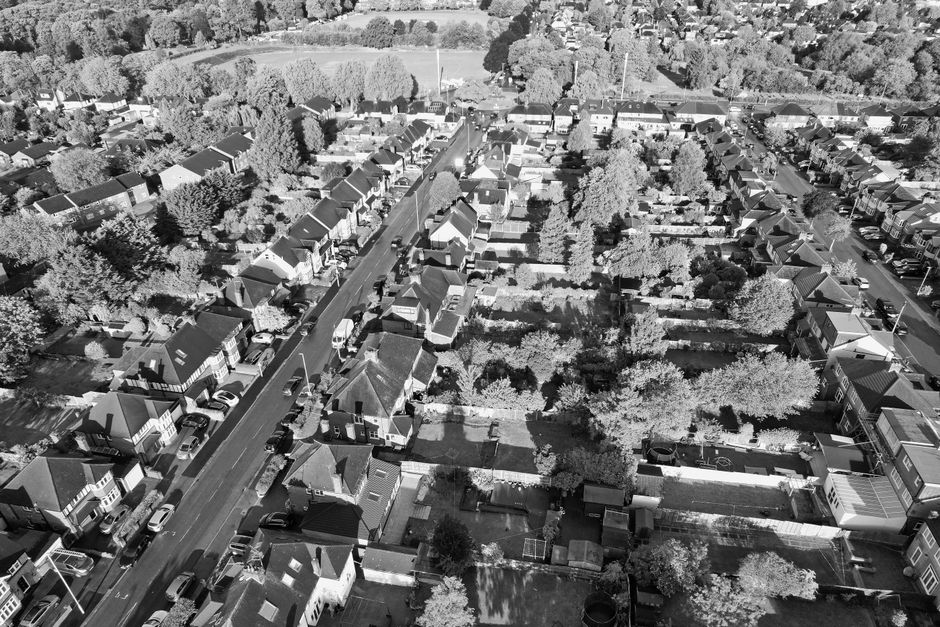
In Plumstead, many gardens sit behind terraced homes, shared paths, narrow side returns, or awkward outbuildings. That means access is not a side note; it is part of the job. This guide explains what usually happens, how a professional team handles it, what you should prepare in advance, and how to avoid unnecessary back-and-forth. To be fair, a little planning saves a lot of muddy boots and crossed wires.
Why access delays matter in Plumstead
Gardeners work to a plan, but access problems can interrupt that plan in a very practical way. If a lawn mower, hedge cutter, tree saw, or barrow cannot get through safely, the team may need to pause, re-route, or reduce the scope of the visit. That is not being difficult; it is simple job logistics.
In Plumstead, access issues often show up in everyday forms: a shared gate nobody can unlock, a parked car in the only loading spot, a dog that needs to be secured, or a key that is still indoors while the crew is already outside. None of these are unusual. Still, they can change the pace of a day quite a bit. A hedge trim that should have taken a calm hour can become a stop-start job, and stop-start work is never ideal for plants, people, or schedule.
Why does it matter so much? Because gardening is often seasonal and weather-sensitive. If the team has already been delayed by traffic or rain, an avoidable access issue can push the entire day out of shape. That can affect not just your garden, but the next customer too. In real terms, a delay may mean:
- less time spent on detailed finishing work
- a postponed start or a shortened visit window
- some tasks being moved to another day
- additional handling time for tools, waste, or materials
It is also worth saying that access problems are not always the homeowner's fault. Shared entrances, communal side paths, and landlord-controlled gates can all complicate things. That is exactly why clear communication helps. If you are planning broader work, our garden maintenance and gardening services pages give a useful sense of the kind of jobs that benefit from an easy route in and out.
How access delays are handled
Most professional gardeners handle access issues in a straightforward, calm way. First, they assess whether the job can still be done safely and efficiently. Then they decide whether to proceed, adapt, or reschedule. It sounds simple, and often it is. But the exact response depends on the type of access problem.
For example, if the garden is reachable but the equipment cannot be brought through the usual route, a team may be able to carry smaller tools by hand and continue with limited work. If the issue is more serious, such as no secure access at all, the visit may need to be delayed until the homeowner is available to open up or provide instructions. On a wet day, a narrow and slippery route can also become a safety concern rather quickly. One wrong step on mossy paving and the whole mood changes.
In a practical sense, gardeners usually look at four things:
- Safety - can the team get in and out without unnecessary risk?
- Efficiency - will access loss eat too much of the booked time?
- Scope - can any part of the work still be completed?
- Waste handling - can cuttings, soil bags, or debris be removed properly?
If you are unsure whether your layout will be awkward, a quick message before the visit is usually enough. You can also compare the work with services such as lawn mowing, hedge trimming in Plumstead, or tree surgery, because each one places slightly different demands on access.
Key benefits and practical advantages
It may sound odd to talk about benefits in a delay scenario, but there are real advantages to understanding access issues properly. In our experience, the biggest win is predictability. Once access is discussed early, everyone knows what can happen and what cannot.
Here are the main upsides:
- Fewer surprises on the day - nobody wants a team standing in the rain while keys are hunted down.
- Cleaner quotes - if access is awkward, the estimate can reflect that honestly instead of being guessed later.
- Better safety - awkward movement with tools or wheelbarrows becomes less likely when routes are known.
- More realistic scheduling - jobs can be planned with enough time, rather than squeezed in.
- Less disruption to neighbours - especially where shared paths or fencing routes are involved.
There is also a customer-side benefit that people underestimate: peace of mind. Once access details are clear, you do not spend the whole morning wondering whether the crew can get to the back garden or whether a locked gate has derailed everything. It becomes one less thing to think about, and frankly that is valuable enough on its own.
For bigger projects, planning access early can also help if you are exploring landscaping, fencing, or decking services. These jobs often involve materials, heavier kit, or multiple site visits.
Who this is for and when it makes sense
This topic matters for more people than you might think. It is not just for homeowners with difficult side access. Anyone arranging outdoor work in Plumstead can run into a delay if the route to the garden is unclear.
You will especially want to think ahead if you are:
- living in a terraced property with rear-garden access through a shared alley
- managing a rental property where keys or permissions sit with a landlord or agent
- booking work while you are at work and cannot open the gate yourself
- dealing with pets, children, or private outdoor storage that blocks the path
- arranging seasonal jobs such as hedge cutting, leaf clearance, or winter preparation
It also makes sense if your garden has grown a bit wild. Let's face it, a narrow path that looked fine in spring can disappear under ivy, overgrown shrubs, or a stack of garden furniture by August. If that sounds familiar, the advice in keeping your space ivy-free and controlling weeds naturally may be especially useful.
If the access issue is tied to a one-off job, such as clearing storm damage or securing a tired boundary, it can still be worth proceeding. If it is a recurring problem, though, a longer-term fix may save time every single visit. Sometimes the answer is not more patience. It is a better gate, better storage, or a clearer routine.
Step-by-step guidance
If you want the visit to go smoothly, the best approach is to treat access as part of the booking, not an afterthought. Here is a sensible process.
- Describe the access route clearly
Tell the team whether they need to use the front door, side gate, rear lane, shared passage, or any key collection point. If there are steps, narrow turns, or uneven paving, mention them. - Flag any restrictions early
If a gate is locked at certain times, if a neighbour must be notified, or if a pet must be kept indoors, say so in advance. Small detail, big difference. - Share the practical reality
Be honest about parked cars, bins, stored bikes, or compost bags. No judgement. Every garden has its own little ecosystem of clutter. - Confirm who will be on site
If nobody will be home, ask how the crew should access the garden and where they should leave finished waste. This avoids awkward phone calls mid-job. - Prepare the route the day before
Move obstacles, unlock gates, and clear access paths if possible. Even ten minutes of prep can make a big job feel far easier. - Reconfirm on the morning
A brief text or call can prevent misunderstandings, especially if weather or traffic has affected the timing.
For regular upkeep, this process becomes second nature. That is one reason many people prefer structured garden maintenance plans. They reduce the chance of "where do we go in?" moments when the crew arrives.
Expert tips for better results
Access is one of those topics that rewards boring good habits. Nothing flashy. Just practical, repeatable actions that save time. A few expert habits stand out.
- Keep one route permanently clear - even if the rest of the garden is full of pots, choose a single path for people and tools.
- Use simple labels on gates or locks - a numbered key fob or note can stop confusion when more than one adult is involved.
- Think about waste flow - where will cuttings go, and how will they leave the property without trampling borders?
- Check daylight and weather - a route that is fine at midday may be awkward in early evening or after a heavy shower.
- Design for the widest item, not the smallest - secateurs fit anywhere; a mower or bag of soil does not.
Another good habit is to treat access like a temporary part of your garden design. This sounds slightly grand, but it works. If you are already thinking about better flow outside, the ideas in vertical gardening techniques and container gardening can help you keep useful ground space open.
Expert summary: The smoother the access, the better the workmanship tends to be. When gardeners can move calmly, the job usually looks neater, finishes faster, and causes less stress for everyone involved.
Common mistakes to avoid
Most access problems are not dramatic. They are just annoying. And the annoying little things are usually the ones people forget to mention.
- Assuming "someone will be in" is enough - say who exactly will open up and how they can be reached.
- Forgetting about side gates - the front door may be easy, but the working route may not be.
- Not mentioning pets - a friendly dog is lovely; a loose dog near open gates is another matter.
- Leaving tools or bins in the route - a short delay becomes a longer one when the team has to move half the patio just to get through.
- Booking complex work without a site check - for larger jobs, a quick inspection can prevent headaches later.
There is also a subtle mistake people make with quotes: they compare the price without comparing the access conditions. A clean, open garden and a cramped, obstructed garden are not always equivalent jobs. If you want a better sense of how pricing is approached, it helps to look at pricing and quotes alongside the service page that matches your needs.
And yes, sometimes the issue is as plain as a forgotten key. It happens. More than people admit.
Tools, resources and recommendations
You do not need a complicated kit to solve access issues, but a few simple things make life easier.
| Tool or resource | Why it helps | Best for |
|---|---|---|
| Gate key or code note | Prevents time lost at the boundary | Homes with locked entrances or shared access |
| Clear path markings | Shows the safest route for carrying equipment | Narrow side passages and rear entries |
| Garden gloves and hand tools | Useful if large kit cannot be moved immediately | Light tidy-ups and emergency on-the-spot work |
| Photo of the access route | Helps the team judge practicality before arrival | Remote bookings and first-time visits |
| Waste bags or sacks | Makes removal cleaner when access is limited | Pruning, mowing, and seasonal clearances |
For physical work, a good set of basic equipment matters too. The guidance in top gardening tools every outdoor lover needs is a handy reminder that the right equipment often reduces handling time. And if weather is part of the access problem, storm protection advice and tips for handling excessive wind can be useful context.
Law, compliance and best practice
Access delays are usually a practical issue, not a legal one. Still, there are good UK standards and expectations around safety, communication, and responsibility that matter here.
Professionals should work in line with sensible health and safety practice, especially where paths are slippery, gates are awkward, or tools are being moved through tight spaces. If access is unsafe, the responsible choice may be to pause. That is not over-cautious; it is good working practice. It protects the workers, the property, and anyone else nearby.
It is also best practice to be clear about responsibilities before the visit. Who provides access? Who secures pets? Who confirms keys? Who approves any change to the scope of work if part of the garden cannot be reached? Small questions, but they matter. You can review broader safety expectations through the site's health and safety policy and insurance and safety information.
If access arrangements affect privacy, key handling, or building entry details, it is sensible to keep information shared only where needed. For general transparency and data handling, the website's privacy policy and accessibility statement are worth a look. For payment and booking details, the pages on payment and security and terms and conditions set the broader expectations.
One more thing: if a visit cannot proceed because access was not available, a fair approach is to communicate promptly and rebook as soon as possible. Good service is not only about the gardening itself. It is about how the awkward bits are handled, too.
Options and comparison table
Different access problems call for different responses. Here is a straightforward comparison.
| Situation | Likely result | Best response |
|---|---|---|
| Gate not opened on arrival | Short delay, possible reschedule | Confirm arrival time and key holder in advance |
| Narrow passage with some access | Work may continue with lighter equipment | Clear the route and reduce obstacles before the visit |
| Blocked route due to cars or bins | Partial delay, slower material movement | Keep the working path open and visible |
| Unsafe conditions after rain or wind | Work may be paused for safety | Accept a revised schedule if needed |
| Access only through a neighbour-controlled route | Visit depends on third-party cooperation | Arrange permission and timing ahead of time |
There is no one-size-fits-all fix. For lighter jobs like seasonal tidying, a little access can be enough. For heavier tasks such as tree work or boundary repairs, access has to be more robust. If you are exploring broader outdoor improvements, the service pages for patio cleaning, lawn care, and tree surgery can help you see how the needs differ.
Case study or real-world example
Here is a realistic example based on the kind of situation that comes up in Plumstead.
A homeowner books hedge trimming and a general tidy-up for a back garden with a narrow side entrance. On the day, the side gate is locked, the bin store blocks half the passage, and there is a bike propped against the wall. The team arrives on time but cannot move the ladder through safely. Rather than forcing the issue, they contact the homeowner, who is at work and cannot return for an hour. The result is a delayed start and a shorter working window.
What happens next? The team can still often do some work once access is sorted, but they may prioritise the most visible or safety-sensitive tasks first. In this case, that might mean trimming the hedge facing the path, clearing loose material, and returning later for the detailed finish. Nobody enjoys the shuffle, but it is better than rushing and getting a sloppy result.
Now compare that with a better-prepared version. The homeowner leaves the gate unlocked, clears the route the evening before, and texts the crew to confirm. The team gets straight in, gets the ladder moved safely, and finishes on schedule. Same garden. Same job. Very different day.
That is the real lesson here: access planning does not need to be complicated to be effective.
Practical checklist
Before your gardeners arrive, run through this quick checklist. It sounds basic, but basic is often what keeps everything on track.
- Unlock or arrange access for every gate or entrance needed
- Move cars, bins, toys, bikes, or stacked materials out of the route
- Secure pets and let everyone at home know the visit is happening
- Share the best contact number for the day
- Confirm any shared access, neighbour permissions, or building restrictions
- Tell the team if steps, mud, broken paving, or low branches could slow movement
- Decide where waste should be left if removal is not possible the same day
- Take a quick photo of the route if the garden layout is hard to describe
- Review the scope so you know what can still be done if access is limited
- Keep one alternative time or date in mind, just in case
Practical takeaway: if the gardeners can enter, move, work, and exit without guessing, your chances of a smooth visit go up immediately. Not glamorous, but true.
Get a free quote today and see how much you can save.
Conclusion
When access issues delay gardeners in Plumstead what to expect is usually a mix of communication, small adjustments, and sometimes rescheduling. Most delays are manageable, but they do affect the day more than people realise. The good news is that access problems are often preventable with a few clear details, a clear route, and a little advance thought.
If you treat access as part of the job rather than a minor detail, you will get better timing, safer work, and a more useful result. That is true for quick tidy-ups and larger projects alike. And honestly, there is something reassuring about opening a gate and knowing the job can just begin, no drama, no faff.
That calm start is worth aiming for.
Frequently Asked Questions
What usually happens if the gardeners cannot get into my Plumstead garden?
They will normally contact you, assess whether the job can still be done safely, and decide whether to wait, work around the issue, or reschedule. If access is completely blocked, a new visit may be arranged.
Will I be charged if access delays the visit?
That depends on the booking terms and how much time has already been spent trying to complete the work. It is best to check the service terms and confirm any access concerns before the appointment.
Can some gardening work still go ahead if access is poor?
Yes, sometimes. Light tasks may still be possible if smaller tools can be carried through safely. Larger jobs, waste removal, or equipment-heavy work may need fuller access.
How can I prepare access for a gardener in Plumstead?
Unlock gates, clear the route, move obstacles like bins or bikes, secure pets, and confirm the contact person for the day. A quick photo of the route can help too.
Do access issues affect quote accuracy?
They can. A garden with tight, obstructed, or shared access may take longer to work in, so a clear description helps the quote reflect the real job properly.
What if I live in a terrace with a shared side passage?
Shared access is common and usually manageable, but it needs planning. Tell the gardeners exactly how the passage works, whether anyone else uses it, and whether permission is needed.
Should I tell the gardener about pets before the visit?
Yes, absolutely. Pets can affect access, safety, and timing. Even a friendly dog can become an issue if gates are open or equipment is being moved through the garden.
Can weather make access problems worse?
Definitely. Rain, wind, or frozen ground can turn a narrow route into a slippery or unsafe one. In those cases, a professional may choose to delay the work for safety reasons.
What is the best way to avoid a delay on the day?
The best way is to confirm access in advance, clear the route the day before, and make sure someone responsible is available if the team needs entry instructions.
Is this mainly a problem for big jobs like tree surgery or landscaping?
No. Large jobs are more affected, but even simple tasks like hedge trimming or lawn care can be delayed if the team cannot reach the work area safely.
Where can I find more information about safety and working practices?
You can review the site's health and safety policy and insurance and safety information for broader guidance on responsible working practice.
What should I do if the access issue is permanent?
If it is a recurring problem, talk to the team about whether a different route, smaller equipment, or a redesigned access point would help. In some cases, a long-term fix such as improved fencing or better garden layout may be the most practical answer.
Who should I contact if I need to talk through access before booking?
If you want to explain the layout, discuss timing, or ask what the team needs on arrival, use the site's contact page so the details can be confirmed before the visit.