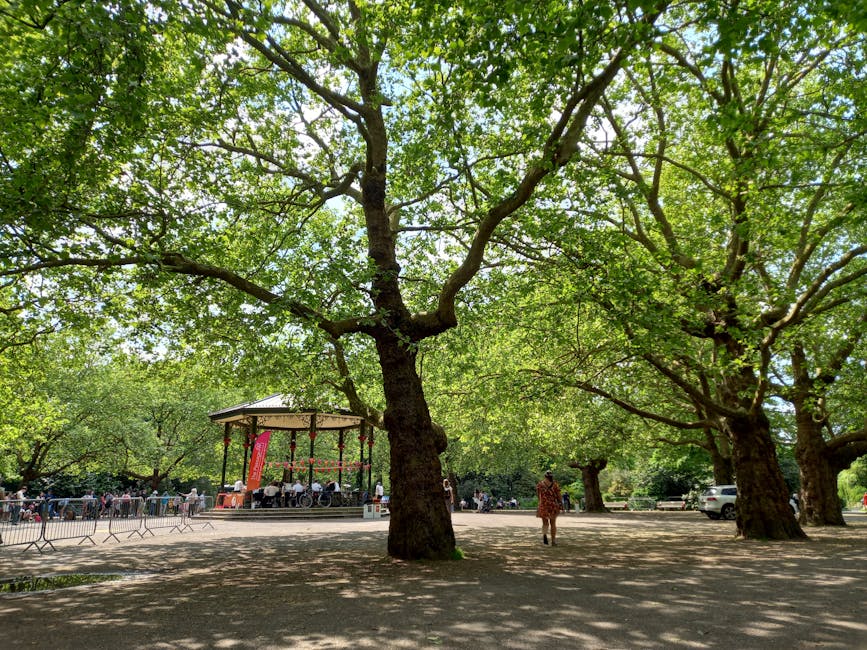
Best gardeners for Plumstead Common SE18 garden projects
If you are looking for the Best gardeners for Plumstead Common SE18 garden projects, you probably want more than a quick tidy-up. You want someone who understands local gardens, can work with awkward layouts, knows how to handle wind, shade, and soil that has seen better days, and still leaves everything looking neat by the end of the day. That is the real difference. A good gardener does not just cut, trim, and leave. They help a space work properly for the way you actually live.
In Plumstead Common, gardens can be varied and a bit unpredictable: compact town gardens, long family plots, mature hedging, patchy lawns, sloped corners, and those little areas that never quite seem to thrive. This guide walks through what makes a gardener genuinely worth hiring, how garden projects are usually planned, and how to avoid the common mistakes that waste time and money.
Why Best gardeners for Plumstead Common SE18 garden projects Matters
Choosing the right gardener matters because garden work is rarely just one job. A lawn problem may point to compacted soil. A hedge that looks tired may need correct timing as well as cutting. A damp patio might need cleaning, drainage awareness, and a little patience. And if you have ever tried to tame an overgrown border on a windy afternoon, you will know it is not always as simple as it sounds.
Plumstead Common gardens often need local judgement. Some spaces get plenty of sun, others sit in shade for long stretches, and many are exposed to gusts that can undo delicate planting. That means the best gardeners are not only practical with tools, but also sensible about plant choice, soil health, seasonal timing, and aftercare. To be fair, that is where the value really shows.
There is also a trust element. When a team is working around your home, gates, fences, pets, children, ornaments, and sometimes narrow side access, you want clear communication and tidy working habits. Good gardeners bring all of that. The work looks better, lasts longer, and feels easier to manage afterward.
How Best gardeners for Plumstead Common SE18 garden projects Works
Most successful garden projects follow a simple but disciplined pattern. First comes the conversation: what is wrong, what needs improving, and what the garden should feel like when the work is done. Then comes an assessment of the site itself. That includes the size of the garden, access, current plant health, lawn condition, hedge height, soil quality, drainage, and any features such as patios, decking, or fencing.
Once the picture is clear, a good gardener will usually break the work into sensible stages. A full makeover may begin with clearance and pruning, move on to soil improvement, then planting, lawn care, edging, and finishing touches. Smaller jobs may be handled in one visit, but even then the best results come from working in the right order rather than just doing the most visible task first.
If you are comparing gardeners, look at how they talk about planning. Do they ask useful questions? Do they explain what should happen first? Do they mention seasonal timing? That is often more revealing than a flashy promise. The right people tend to sound calm, not hurried.
For example, a border redesign in late spring might focus on structure and low-maintenance planting, while a winter visit might be more about pruning, clearance, and protecting vulnerable areas. If a gardener understands that rhythm, your project is more likely to succeed. If not, well, let's say you may end up paying twice.
Key Benefits and Practical Advantages
Hiring skilled gardeners for local SE18 projects brings benefits that go beyond a neat finish. The obvious win is visual improvement, but the deeper advantage is a garden that becomes easier to live with.
- Better plant selection: Local conditions matter, especially with wind, shade, and exposed corners.
- More reliable maintenance: Regular care prevents small issues turning into full weekend battles.
- Improved safety: Trimming, lifting, clearing, and tree-related work reduce trip hazards and overgrowth.
- Stronger structure: Hedges, borders, lawns, and hard surfaces work better when planned together.
- Lower long-term hassle: A garden designed for your lifestyle takes less effort to keep under control.
There is a practical benefit that people often miss: confidence. When you know the garden has been properly assessed and maintained, you stop second-guessing every plant and patch of moss. It becomes a space you can use, not just a space you feel guilty about. That matters, especially in a busy household.
Good gardeners can also spot the hidden issues. A dull lawn may need aeration or feeding. A boundary hedge may need shaping rather than cutting back hard. A planting bed may need compost to hold moisture better. Small observations like these save time and improve results, sometimes in ways you do not notice immediately but definitely feel by midsummer.
Who This Is For and When It Makes Sense
This kind of gardening support makes sense for a wide range of homeowners and landlords. It is especially useful if you are dealing with one of these situations:
- a garden that has become overgrown after a busy season;
- a lawn that never seems to recover properly;
- hedges that have outgrown their shape;
- shady areas where nothing seems to thrive;
- a patio or seating area that needs cleaning and freshening up;
- a full garden makeover after moving home;
- a family garden that needs to be safer and easier to maintain;
- a rental property that needs presentable, dependable upkeep.
It also makes sense if you know what you want but not how to get there. Many people have a rough idea: more privacy, less weed growth, a tidier lawn, maybe a seating spot that does not feel squeezed into a corner. A good gardener can turn that half-formed idea into a workable plan.
If you enjoy doing some of the work yourself but need a pro for the hard parts, that is perfectly normal. You do not have to outsource everything. In fact, a good team should be happy to work alongside your own efforts. That could mean handling hedge work and lawn care while you maintain pots, herbs, or seasonal flowers. It is a sensible middle ground.
Step-by-Step Guidance
Here is a simple process for choosing and managing garden work in Plumstead Common SE18 without the stress.
- Define the outcome. Be specific about what you want: a tidy maintenance visit, a lawn revival, hedge shaping, or a larger landscaping job.
- Walk the garden first. Notice shade, drainage, wind exposure, awkward access, and any damaged areas. A five-minute look around can save a lot later.
- Prioritise the problems. If the lawn is failing and the hedges are overgrown, decide which issue matters most first. Sometimes structure should come before planting.
- Ask for a clear plan. Good gardeners should explain the steps, timing, and likely upkeep afterward. If they cannot, that is worth noting.
- Check related services. You may need garden maintenance, lawn care, hedge trimming in Plumstead, or support with landscaping rather than one-off cutting only.
- Look at timing. Some jobs are best done in dry weather, some in cooler months, and some are best left until growth is active. Seasonal judgment matters.
- Prepare the site. Move fragile items, unlock access gates, and point out any hidden obstacles. It sounds basic, but it really helps.
- Review the finish. Check edges, waste removal, access points, and whether the garden now feels easier to manage. That final walk-through is worth it.
A quick side note: if a project involves bigger structural changes, it is usually wise to discuss the order of work before anyone starts swinging tools around. Trees, fences, paving, and planting beds often affect each other more than people expect. Funny how gardens do that.
Expert Tips for Better Results
If you want better results from any garden project, focus on decisions that reduce future problems, not just the visible mess.
First, think in layers. Start with the structure of the garden, then the soil, then the planting, then the finishing details. A border can look good for a week and still fail if the soil underneath is poor. That is a classic mistake.
Second, choose low-fuss solutions where possible. If your schedule is already full, go for planting schemes and maintenance routines that suit real life. The article on low-maintenance garden ideas is useful if you want a simpler routine without giving up a nice finish.
Third, pay attention to wind and shade. Plumstead Common areas can be exposed, and that changes everything from plant choice to hedge shape. For awkward positions, a useful starting point is dealing with excessive wind in garden spaces or choosing plants suited to darker corners, such as those discussed in evergreen climbers for shade.
Fourth, do not ignore the soil. If the ground is tired, compacted, or thin, fresh planting alone will not solve the issue. Compost, mulch, and proper soil structure make a visible difference. There is a good reason experienced gardeners talk about soil so much; it is the bit holding everything together.
Fifth, keep a maintenance rhythm. Gardens rarely stay neat by accident. Regular mowing, trimming, weed control, and seasonal tidying are what keep the whole thing from slipping back. Nothing glamorous there, but it works.
Common Mistakes to Avoid
People usually do not ruin a garden project through one huge mistake. It is more often a handful of small ones that stack up.
- Choosing by price alone: The cheapest option is not always the best value if the work needs redoing.
- Skipping the planning stage: Starting without a clear order of work can lead to wasted effort.
- Ignoring seasonal timing: Cutting, planting, and pruning all have better windows. Rush them, and results suffer.
- Overplanting a small space: A crowded garden can look busy at first, then chaotic a few months later.
- Forgetting access and disposal: If waste cannot be removed easily, the job feels unfinished.
- Not asking about aftercare: A good finish still needs a sensible follow-up plan.
There is also a subtle mistake people make with lawns: they expect a single visit to fix years of neglect. Sometimes that happens, but often a lawn needs repeated care, feeding, scarifying, or patch repair. Better to be realistic from the start. Saves disappointment, frankly.
Another one is treating all garden work as purely cosmetic. A tidy hedge, for instance, may be about privacy, safety, and boundary control as much as appearance. Once you see it that way, you make better decisions.
Tools, Resources and Recommendations
Good gardeners usually bring their own kit, but it helps to understand the tools and services that tend to matter most in local projects.
- Hand tools: pruners, loppers, shears, spades, forks, and edging tools.
- Power tools: mowers, trimmers, and equipment for heavier clearance or shaping work.
- Soil improvement materials: compost, mulch, and feed where needed.
- Garden protection items: supports, ties, fleece, or screening for vulnerable plants.
- Surface care: patio cleaning and weed control for making outdoor seating areas feel usable again.
If you want a broader sense of what quality maintenance looks like, the essential gardening tools guide is a handy read. For specific needs, patio cleaning, lawn mowing, and tree surgery each play a different role in the overall picture.
For planting ideas, ground cover can be a smart way to suppress weeds and reduce maintenance in tricky beds. The article on brilliant ground cover plants is especially useful if you are dealing with bare patches or awkward slopes.
If your project is more design-led, a full refresh can start with a small but deliberate plan. The garden makeover guide is a nice companion piece when you are moving from ideas to action.
Law, Compliance, Standards, or Best Practice
For most domestic garden projects, the key point is not legal complexity but sensible practice. That said, any gardener working on your property should take safety seriously, manage waste responsibly, and avoid causing avoidable damage to people, pets, or structures.
Where work involves ladders, cutting tools, heavy lifting, powered equipment, or tree-related tasks, proper risk awareness matters. This is especially true around sheds, narrow paths, uneven ground, and boundary areas. If a team handles work professionally, you should expect them to think about control measures before they start, not after something has gone wrong.
It is also wise to review how a business approaches trust, safety, and service standards. The pages on health and safety policy, insurance and safety, payment and security, and terms and conditions are all useful signals when you are comparing providers.
For service quality and complaint handling, transparency matters too. A clear complaints procedure and straightforward pricing and quotes process usually indicate a more organised operation. That does not guarantee perfect work, of course, but it is a good sign.
If you are curious about how a company presents itself more broadly, the about us page can help you understand its approach and values. Small thing, maybe. But useful.
Options, Methods, or Comparison Table
Not every garden project needs the same level of input. Some are best handled as routine maintenance; others call for a more transformative approach. Here is a simple comparison.
| Approach | Best for | Typical benefits | Watch out for |
|---|---|---|---|
| Routine garden maintenance | Regular upkeep, tidy borders, seasonal care | Predictable results, less overgrowth, easier planning | Needs consistency to work well |
| Lawn care and mowing | Patchy, tired, or overly long lawns | Cleaner finish, healthier grass, better curb appeal | May require follow-up treatments |
| Hedge trimming | Privacy screening, boundary shaping, neat structure | Sharper lines, safer access, better light balance | Timing and growth habit matter a lot |
| Landscaping or redesign | Layout changes, seating areas, improved flow | Stronger function, better use of space, fresh look | Requires planning and usually a bigger budget |
| Tree and boundary work | Large trees, safety concerns, heavy overgrowth | Improved safety, light, and structure | Needs experienced handling and careful assessment |
For many homeowners, the best route is a blend. A maintenance plan keeps the garden under control, while occasional larger work handles the things that cannot be solved with a mower and a pair of shears. That balance is often the sweet spot.
Case Study or Real-World Example
Imagine a typical SE18 garden with a narrow lawn, one shaded side, a hedge that has started leaning into the path, and a patio that has become a bit grey and slippery after a wet season. Nothing dramatic. Just enough to make the space feel tiring rather than useful.
A sensible gardener would usually begin by clearing the access points, cutting the hedge back to a manageable shape, and checking whether the lawn needs mowing, feeding, or scarifying. The patio might be cleaned at the end so the whole space feels finished rather than half-done. If the shady side struggles with growth, the next step may be to introduce better-suited planting or ground cover instead of trying to force high-maintenance plants into the wrong spot.
In a case like that, the biggest improvement is not just appearance. It is how the garden starts to behave. The path feels safer, the lawn is easier to manage, and the patio becomes a place people actually sit on again. Sometimes you only notice the difference when you step outside the next morning and the whole space just looks calmer. Nice feeling, that.
For gardens with family use, the same thinking applies. A garden can be reshaped to create a safe, engaging area for children, especially where there is room for play, seating, and planting. If that sounds relevant, the ideas in an engaging child's garden retreat and a child's dream landscape are worth exploring.
And if you are working with pets, not against them, the guide to creating a dog-friendly oasis has a few practical reminders that make daily life easier.
Practical Checklist
Use this before booking or starting a project.
- Have you defined the main goal of the work?
- Do you know whether you need maintenance, hedge trimming, lawn care, landscaping, or a mix?
- Have you looked for shade, wind exposure, drainage issues, and access problems?
- Have you asked how the work will be staged?
- Is waste removal included or clearly discussed?
- Do you understand what aftercare will be needed?
- Have you checked safety, insurance, and service terms?
- Have you thought about long-term maintenance, not just the immediate finish?
- Are the materials and plants suitable for the local conditions?
- Do you have a realistic idea of how often the garden will need attention afterward?
One extra tip: take a few photos before the work starts. Not for drama, just for reference. They help you compare progress and remember what was agreed. Simple, but useful.
Conclusion
The Best gardeners for Plumstead Common SE18 garden projects are the ones who combine practical skill, local awareness, clear planning, and a steady eye for what will actually work in your space. A beautiful garden is great, obviously. But a garden that feels manageable, safe, and suited to your day-to-day life is even better.
If you are choosing between providers, look beyond the obvious tidy-up. Ask how they handle lawn care, hedges, planting, access, timing, and follow-up. Those details tell you far more than a polished promise ever will. And if the garden has been bothering you for a while, do not wait for the perfect moment. There usually isn't one. Just a decent one.
With the right help, even a tired or awkward garden can become a space that feels calm, useful, and properly yours. That is the goal, really.
Get a free quote today and see how much you can save.
Frequently Asked Questions
What should I look for in the best gardeners for Plumstead Common SE18 garden projects?
Look for clear communication, relevant local experience, proper safety awareness, and a sensible plan for your specific garden. The best gardeners should understand maintenance, planting, hedge work, lawns, and how to deal with common issues like shade or wind.
Do I need a full garden makeover or just maintenance?
That depends on the condition of the garden. If the space is broadly healthy but untidy, maintenance may be enough. If the layout is awkward, the lawn is poor, or the planting no longer works, a makeover or landscaping approach could be better.
How often should a garden in SE18 be maintained?
It varies by garden size, planting style, and season. Lawns and hedges usually need more regular attention during active growth periods, while borders and hard surfaces may need seasonal or monthly care. A good gardener can suggest a workable schedule.
Is hedge trimming different from general gardening?
Yes, it can be. Hedge trimming needs correct timing, clean shaping, and an understanding of how the hedge grows back. General gardening may include many other tasks too, such as clearance, planting, lawn care, and border maintenance.
Can gardeners help with small urban or awkward spaces?
Absolutely. In fact, compact or awkward spaces often benefit most from professional planning. Techniques like vertical planting, container gardening, and careful layout choices can make a small garden feel much bigger and easier to use.
What if my garden is very windy or shady?
That is common enough, and it does not mean the garden cannot work well. It just means plant choice, structure, and shelter matter more. Some areas may be better suited to hardy planting, climbers, or low-profile designs that can cope with the conditions.
Do gardeners handle patio cleaning as well?
Many do, and it can make a big difference to the overall look of the garden. A clean patio can lift the whole space, especially when combined with border tidying and lawn care. It is one of those jobs that sounds small but changes the feel of the garden quite a lot.
How do I know if a quote is fair?
A fair quote should explain what is included, what may cost extra, and how the work will be carried out. Compare the detail as well as the price. Sometimes the cheapest quote leaves out important parts like waste removal or follow-up care.
Are there safety or insurance matters I should ask about?
Yes. It is sensible to ask about safety procedures, insurance, and how the work will be managed on site. That is especially important for tree-related work, heavy cutting, or projects involving ladders and power tools.
Can I combine lawn care, hedge trimming, and landscaping in one project?
Yes, and that is often the most efficient way to tackle a garden that needs more than one type of attention. Combining jobs can improve the overall result because the work is planned together instead of being done in isolation.
What is the best time of year to start a garden project?
There is no single answer, because the right time depends on the work. Some projects are best tackled in spring or early summer, while others are more suitable in cooler months. A local gardener should be able to advise based on what your garden actually needs.
How do I get started if I do not know exactly what the garden needs?
Start with the main frustrations: what looks tired, what feels unsafe, what is hard to maintain, and what you would like the space to do better. A good gardener can then help you turn those observations into a realistic plan.
For next steps, you can explore the wider gardening services overview or reach out through the contact page when you are ready to talk through your project.